
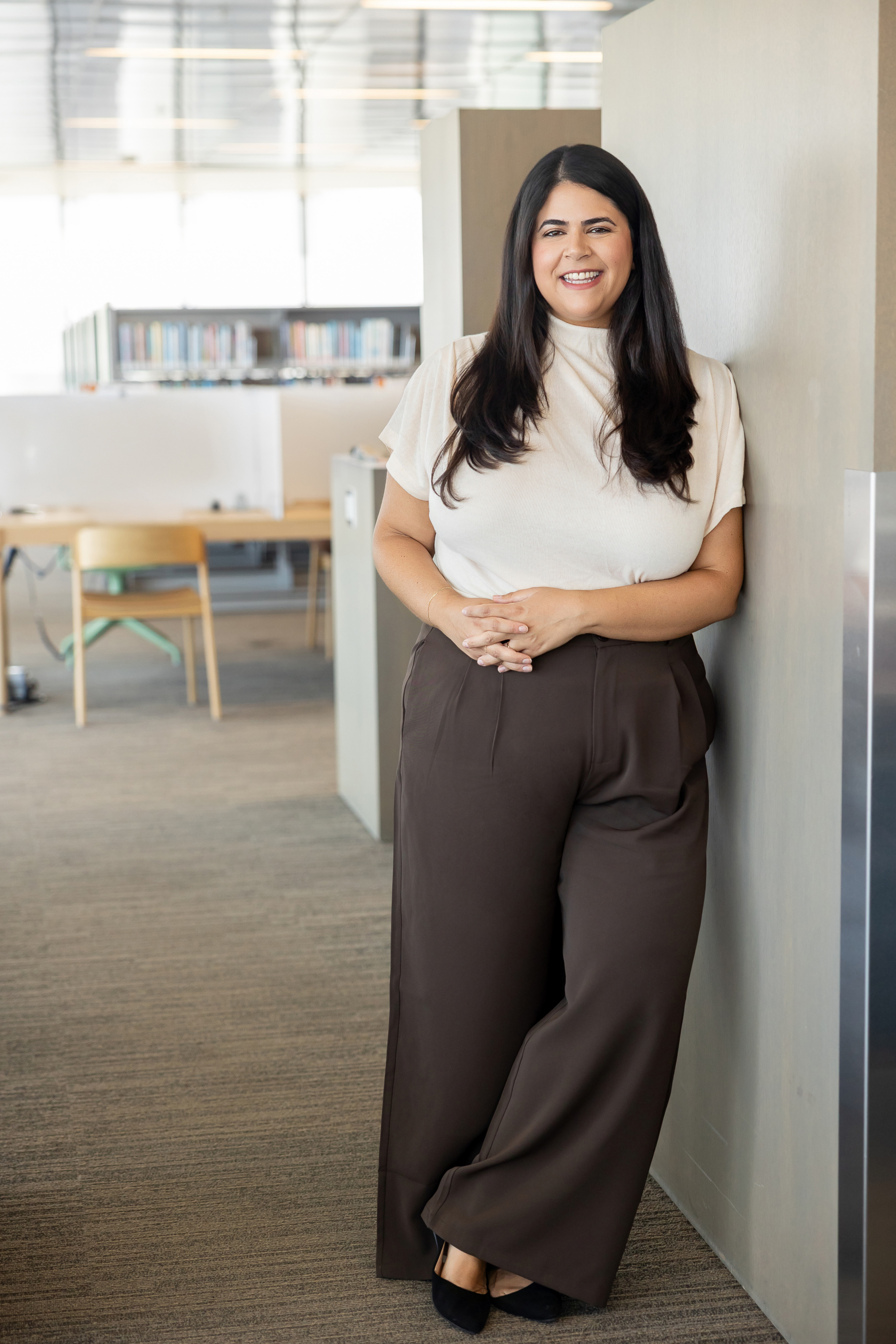
About Nicole Yeroushalmi
I was drawn to becoming a therapist in part because I know firsthand how meaningful the right therapeutic relationship can be. Throughout my childhood and into adulthood, I was fortunate to experience therapists who made me feel safe, supported, and genuinely understood during difficult times. Those experiences stayed with me and eventually shaped my decision to become the kind of therapist who could offer that same sense of safety and support to others.
Long before becoming a therapist, I volunteered in residential care settings and worked with children with disabilities. My experiences eventually took me through ABA, research, and clinical training as a therapist. Each of these experiences taught me something different about people, the most important lessons were about patience, paying attention to what someone actually needs, and meeting people where they are rather than where we might expect them to be.
My cultural background has also shaped the way I understand people and the experiences they bring into therapy. I am first-generation Iranian-American, and Farsi was my first spoken language, even though I was born and raised in the California. Growing up between cultures gave me an early awareness that there can be many different ways of understanding family, identity, relationships, responsibility, and what it means to ask for help. It taught me that people can carry different parts of themselves depending on where they are and who they are with. I bring that awareness into my work and remain curious about the cultural, family, and personal experiences that shape how each person sees themselves and the world around them.
My connection to this work is also personal in another way. Living with chronic illness has given me an understanding of uncertainty, resilience, and the ongoing adjustments that can come with changes in health and daily life. It has also reminded me that some of the hardest things people carry aren’t always visible including grief, fear, burnout, isolation, and so much more. I hold this perspective with care and intention, and it informs my clinical work, particularly when supporting people whose experiences may be difficult for others to see or understand.
I work with individuals navigating anxiety, caregiver stress and burnout, chronic illness, cultural and family-related stressors, life adjustments, and medical trauma. Sometimes life simply feels like too much. Other times, something has changed and you’re trying to figure out what comes next. You don’t always need to have the answers before coming to therapy. Sometimes you just need a place to slow down, make sense of what you’re experiencing, and begin figuring out what comes next.
My role is to provide a supportive, thoughtful, and structured space where you can explore your experiences, develop a greater understanding of yourself, and work toward meaningful change in a way that feels aligned with who you are. I don’t believe therapy should be about fitting yourself into someone else’s idea of how you should live. It should be a collaborative process that makes room for your experiences, your values, and the life you are actually living.
Outside of my work, I’m often spending time with my husband, playing with my dog, Ollie, or taking him for a walk in his doggie stroller at HomeGoods or Target. I also enjoy 500-piece puzzles (anything more is too overwhelming) and reading mystery novels on my Kindle.
I value those moments of comfort, humor, and ease, and I try to bring that same sense of presence and warmth into my work with clients.
Background
My career in mental health began with a strong foundation in research. During my undergraduate and postgraduate years, I worked as a research assistant on various projects. I’ve dedicated time to participate in research led by Dr. Jana Juvonen at UCLA (High School Diversity Project) examining whether students attending a more diverse school improve students’ social and psychological experiences. I later worked with Dr. Elizabeth Laugeson and the UCLA PEERS Clinic as a research assistant and served as Behavioral Coach in the PEERS® for Adolescents and PEERS® for Young Adults groups. Through these experiences, I developed a greater appreciation for the complexity of human development, relationships, and the different factors that shape our social and emotional experiences.
My clinical background started in applied behavior analysis (ABA), where I worked as a Registered Behavior Technician (RBT) providing one-on-one behavioral interventions for children with autism spectrum disorder (ASD). In this role, I implemented behavior intervention plans, collected behavioral data, and collaborated closely with families and interdisciplinary treatment teams. While I observed meaningful progress for many clients, I also recognized that ABA was not equally beneficial for every individual. Some clients appeared to respond well to structured behavioral interventions, whereas others had needs that extended beyond a behavioral framework alone. These experiences highlighted the importance of tailoring interventions to each individual’s unique strengths, preferences, and developmental needs, rather than assuming that one therapeutic approach is universally effective. This realization contributed to my decision to pursue my education further towards becoming a Marriage and Family Therapist, where I could integrate relational, emotional, and systemic perspectives into my clinical work.
My clinical journey has included experiences across a variety of mental health settings, including community-based programs, school-based mental health, and private practice. Throughout my training and work, I have had the privilege of sitting with individuals and families across the lifespan as they navigate some of life’s most difficult moments, times of uncertainty, change, loss, overwhelm, and growth.
These experiences have shown me that people are often carrying much more than what is visible on the surface. Behind anxiety, exhaustion, relationship struggles, often a deeper story, one shaped by past experiences, relationships, expectations, responsibilities, and the ways people have learned to cope and survive. Working with individuals and families in different settings has deepened my belief that healing begins with feeling understood. My experiences across different clinical environments have shaped the way I approach therapy with curiosity, compassion, and respect for each person’s unique story.
Education, Clinical Trainings & Memberships
- University of California, Los Angeles Bachelor of Arts in Psychology
- Pepperdine University Graduate School of Education and Psychology Master of Arts in Clinical Psychology with Emphasis in Marriage and Family Therapy, Psi Chi Honors
- Member of California Association of Marriage and Family Therapists
- Registered Behavior Technician (RBT) – Former/Inactive Status (Certified 2018-2020)
- 40-Hour Domestic Violence Training by Haven Hills Center (2020)
- Harm Reduction–Informed Clinical Approach | Training completed through the National Harm Reduction Coalition (NHRC, 2021)
- Advanced Clinical Trainings in Medical Trauma, Chronic Illness & Pain
Specialized trainings focused on helping clients navigate the emotional impact of medical trauma, chronic illness, injury, and chronic pain, including anxiety, grief, trauma, and the challenges of adjusting to changes in health, relationships, and daily life. (2025-2026) - Advanced Clinical Trainings in Grief & Bereavement
Advanced training in grief and loss, with a focus on complicated and traumatic grief, suicide loss, grief following illness or injury, and the anxiety and life changes that can accompany significant loss. (2026)